
Our rights
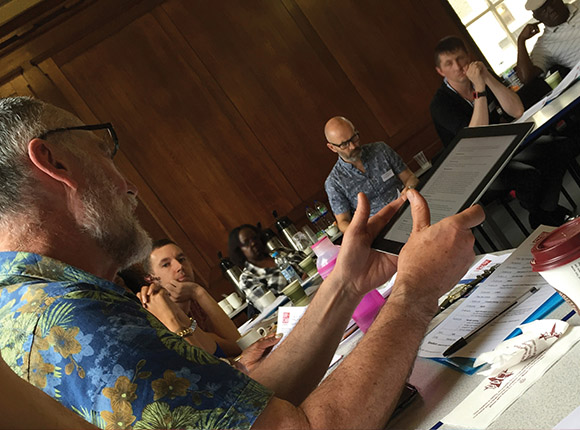
How to meaningfully participate in decision-making spaces: This is sometimes called community representation or patient involvement. It means sitting on advisory boards and committees to give a perspective from the community on research, services or policies.
These roles can seem intimidating and burdensome, especially if we have little time, lack confidence or fear telling people we have HIV.Inequality compounds these barriers and can make these spaces unwelcoming. #blacklivesmatter and COVID-19 have shone a spotlight on inequality. Now (and always) is a good time to get your voice heard and help to set the agenda and influence outcomes. “Find the cracks in the gates and wedge them open wider,” says feminist activist, Jaclyn Friedman.

- Find a mentor if you are unconfident. If you have some experience, offer to be a mentor or use a handover period to support a newcomer.
- Create a WhatsApp group of peers who have your back and can support you.
- Always ask questions – you are not expected to know everything so do not feel you need to. If necessary, ask for any background information or training to help you in the role. Whoever invited you to take part can help you build your expertise and skills – it should not be just down to you.
- Ask for a process of review and feedback to check throughout how you are feeling in the role. This can help get the best out of you and avoid you feeling (and being treated) like a tick-box exercise.
- Join UK-CAB and subscribe to the message board, opportunities are often posted there.
- Get in touch with the National AIDS Trust (NAT). They work on HIV policy and can offer support with how to read policies, write them and think about their impact on communities.
Actions
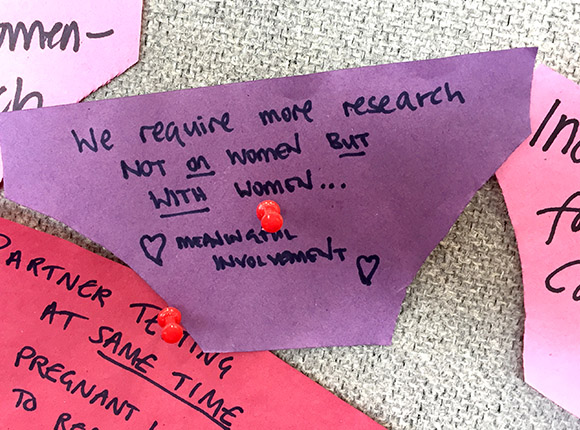
- Call for less formal and more creative approaches to participation – they are no less valid. As poet and activist, Bakita Kasadha says,”Perhaps we’re not hard to reach, perhaps you’re hard to engage with.”
- Call for more than one community representative to be recruited. It can feel tokenistic to be the only person with HIV at a meeting. You can then support each other and it is less intimidating.
- Call out any absence of diverse voices in spaces where change is made, for example, panels of all men or white or older people. Push for inclusion and if necessary step aside to allow someone from an under-represented group to have the opportunity to influence decision-making.
- Our involvement is often presumed to be free and goes unbudgeted, but we should advocate for payment or reward in recognition of our time and expertise. Always ask for travel expenses – at a minimum, we should never be out of pocket. Ask about any other payments, for example, for attending a workshop, a speaker fee for an event, or childcare so you can attend a meeting.
When we sit on a committee we cannot be expected to represent all people living with HIV. We are there to offer our views and expertise based on our lived experience. We can consult with other people living with HIV to collect their views – amplifying other people’s voices does not mean talking for them.

“While I can’t represent everyone’s experience, my activism lets me contribute to a wider perspective. I can bring the voice of young trans people living with HIV into the conversation.” – Eli
- Consult as widely as you can, for example, on the UK-CAB or myHIV forums, Twitter or via a WhatsApp group.
- Learn about the issues affecting other communities so that you can not only speak from your own experience, but advocate for others. Check Step 2: How to research.
- Download the UK-CAB guidelines for community representatives here. They were developed by and for people sitting on British HIV Association (BHIVA) committees and research study boards
“My activism is a journey – one of speaking out on behalf of my people in South Africa. I do this because they feel they can’t get their voice heard, mostly because of the stigma around HIV.” – Becky