Peer support and contact with other People with HIV
Help addressing loneliness and isolation
Supportive relationships, social networks and social interaction with other people who have HIV are all important for our well-being and quality of life. Talking about HIV and how it affects us can be pivotal to overcoming challenges.
But, feelings of isolation and loneliness were commonly reported by 1 in 5 (20%) people with HIV. Of all the services examined this had the greatest area of unmet need – 75% of people who needed help dealing with loneliness and isolation did not receive it. Feelings of loneliness and isolation were equally common across all ages, ethnicities, genders and areas of residence and similarly this need was mostly unmet for everyone.
HIV support services can be life-saving for people with HIV, providing a wide range of services such as peer support, psychological support, sex and relationships support, information, advice and advocacy. Of those who had ever used them, 81% said that HIV support services were moderately or very important to their health and wellbeing.
What needs to be done?
- All people living with HIV should have access to HIV-focused support services, including peer support. The government must clarify statutory responsibility for funding these services and local commissioners must work together to ensure access.
- HIV specialist support should be retained locally both to meet needs that generic services are unable to provide appropriately (for example peer support), and also to complement, train and work alongside generic provision.
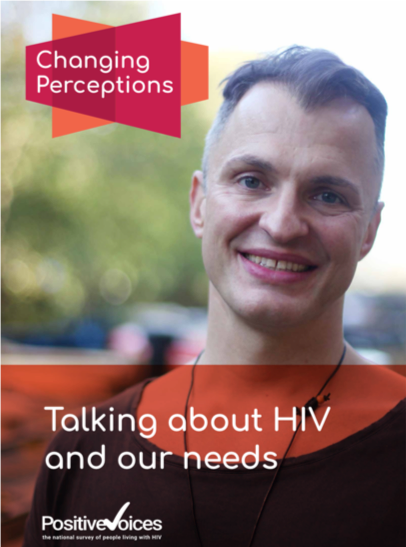
Talking about HIV and our needs report
To view the Changing Perceptions report regarding HIV and our needs please click on the Download below.