Mental health support
Managing stress
Drug & alcohol counselling & rehabilitation
Financial support & advice
Peer support & contact
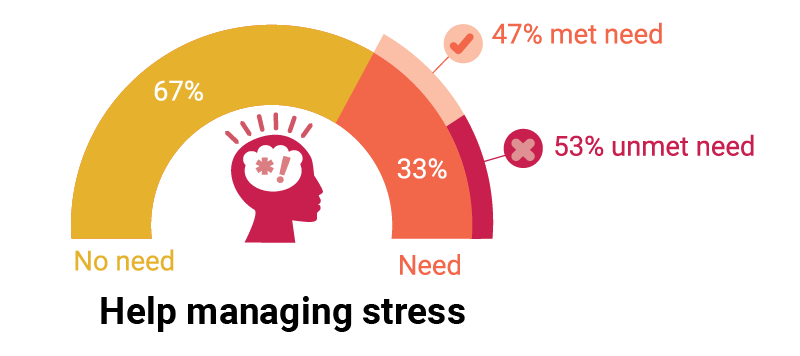
Help managing stress
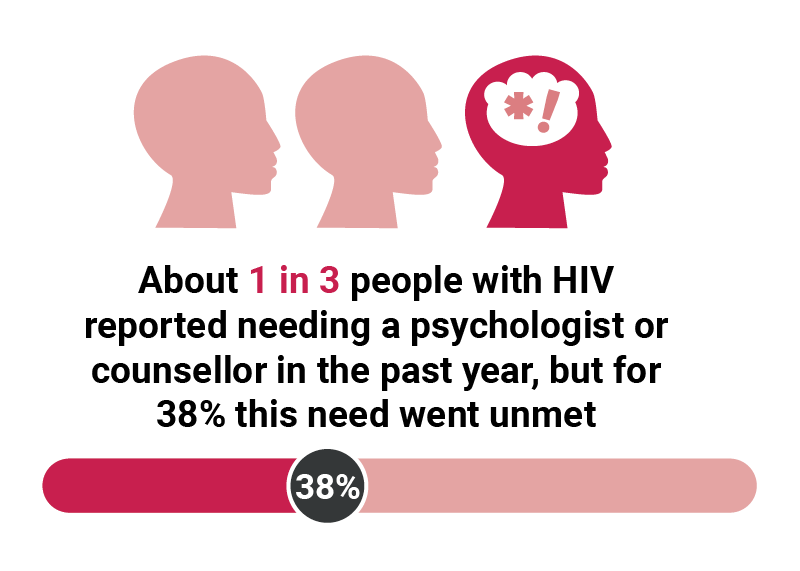
People living with HIV are around twice as likely to have mental health problems compared to the general public, depending on how it is measured.
The most common mental health conditions reported were depression (diagnosed in a third) and anxiety (diagnosed in a quarter). There was also significant experience of rarer conditions such as sleep disorders (15%), post-traumatic stress disorder (5%), psychosis/schizophrenia (2.4%) and bipolar-disorder (1.7%). Significantly, the presence of mental health difficulties was the same across all ages, genders and ethnicities.
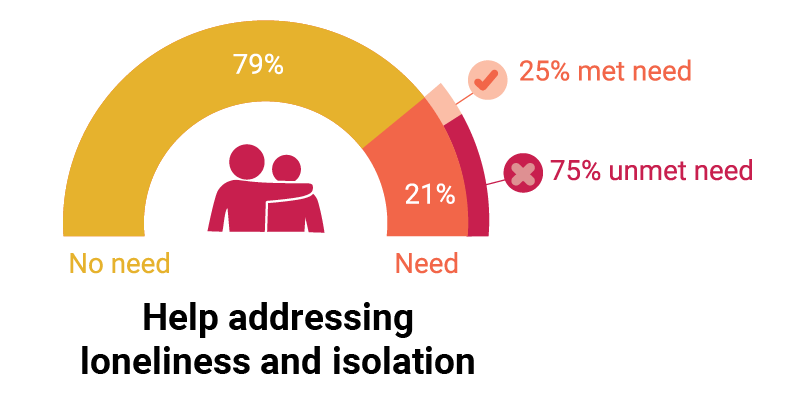
Many of the needs identified in the Positive Voices survey are interrelated with mental health, for example loneliness and isolation, poverty, alcohol and drug use, and managing multiple health conditions. But, many struggle to access the mental health services they need. This is exacerbated by the fact that some HIV specialist support services that would alleviate stress, promote well-being and prevent crises, are becoming harder to access.
The link between HIV and poor mental health varies from person to person, but having HIV is clearly connected to how mental health is experienced. Most people in the survey (70%) had a mental health diagnosis around the same time or in the years following their HIV diagnosis. However, 30% had a pre-existing mental health condition diagnosed prior to HIV.
HIV can be a catalyst for negative feelings. In the HIV Stigma Survey UK in 2015, 1 in 5 people reported having felt suicidal and more than half had felt shame, guilt or self-blame in relation to their HIV status in the past year.
The HIV clinic was identified as important for signposting to mental healthservices. It is a place where people feel protected from stigma and plays a role in supporting people to access the broader mental health support they need.
Drug and alcohol counselling and rehabilitation
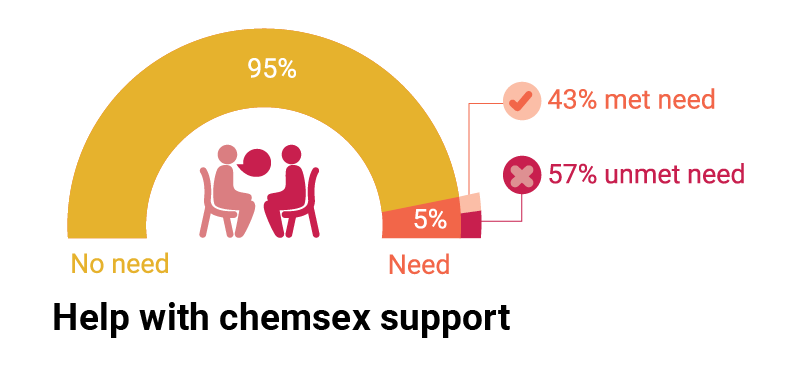
Help with chemsex support
Among people with HIV, binge drinking and use of illegal or non-prescribed drugs was commonly reported, particularly among gay and bisexual men – 41% reported binge drinking and 39% using drugs in the previous 3 months. In contrast, recreational drug use was reported by only 5% of women, but binge drinking was reported by 32%.
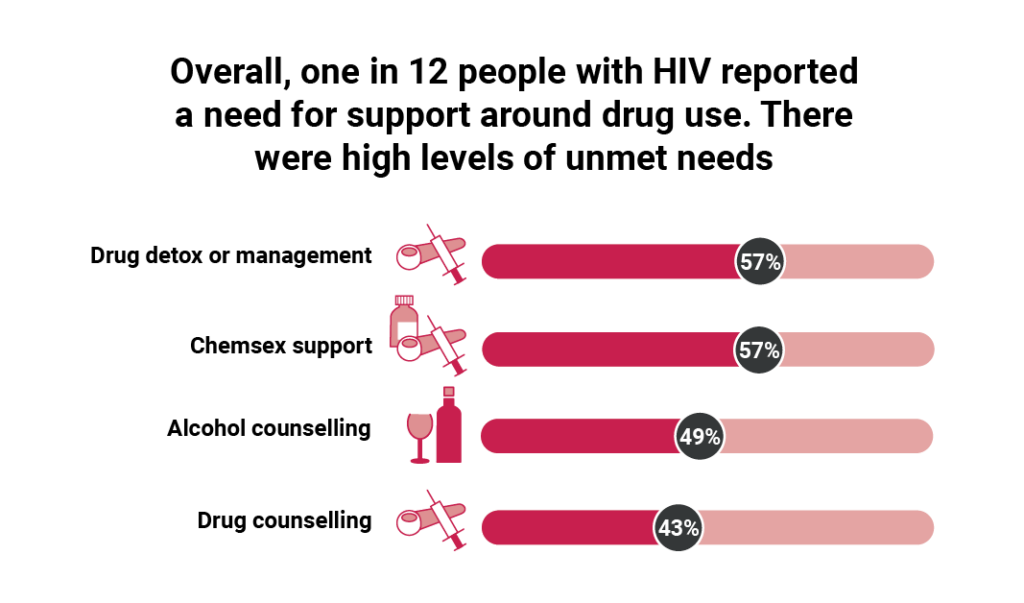
Overall, one in 12 (8.5%) people with HIV reported a need for support arounddrug use – such as drug counselling, drug detox or maintenance and chemsex (sexualized drug use) support. Need for these services rose to 22% among people who reported recent drug use. 1 in 8 (12%) men and 1 in 25 (4%) women who binge drink said they needed alcohol counselling or treatment.
For many people, the needs reflected an ongoing and potentially urgent issue: 70% of people who were not able to access drug-related support services continued using drugs.
When drug and alcohol support services are available, they can be highly effective at stopping a cycle of drug and alcohol abuse. These services offer strategies to overcome stress and anxiety, to improve self-confidence and create supportive social networks, and can help us to develop safer and healthier lifestyles.
Drug and alcohol services are funded through local authorities as part of their public health remit and, while they have a duty to identify and meetlocal needs, there is no specific legal requirement to provide these services. The public health budget has faced significant cuts and clearly the servicesavailable are not adequately meeting the needs of people living with HIV.
What needs to be done?
- Drug and alcohol services must be properly resourced by increasing funding for the local authority public health grant.
- Drug and alcohol services should be equipped with knowledge about HIV and should build stronger links and referral pathways with HIV and sexual health specialist services.
- HIV commissioners should make sure that there is a clear pathway for support around drug and alcohol use for people living with HIV.
Talking about HIV and our needs report
To view the Changing Perceptions report regarding HIV and our needs please click on the Download below.